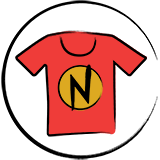
Blues t-shirt

£21.00

Size Guide

Description

Blues:

History, Style, Artists, and Influence

Blues is one of the most important music genres in modern history. It gave shape to jazz, rhythm and blues, rock, and country music. If you want to understand popular music, you need to understand Blues first.

The genre began in African American communities in the southern United States. It grew from lived experience, emotion, rhythm, and voice. Over time, Blues became both a musical language and a cultural force.

This guide explains what Blues is, where it came from, what makes it sound unique, which artists shaped it, and why it still matters today. It is written for beginners, but it also gives enough depth to help readers understand the genre in a wider musical and historical context.

What Is Blues?

Blues is a music genre built on emotional expression, strong rhythm, and simple but powerful musical patterns. It is usually more lyrical than narrative. In other words, Blues often focuses on feeling more than on telling a long story.

The genre often uses “blue notes,” repeated lines, call and response, and a steady groove. These features give Blues its direct and recognizable sound. The voice usually leads the song, even when the instruments play a major role.

Many people think Blues is only sad music. That idea is too narrow. Blues can express pain, but it can also express humor, desire, resilience, protest, confidence, and joy. That emotional range is one reason the genre still feels human and alive.

Why is it called the Blues?

The name comes from an older phrase, “blue devils,” which referred to distress or sadness. Over time, that phrase became “the blues.” The name stayed, but the music itself grew into something much richer than simple melancholy.

Is Blues always sad?

No. Some Blues songs are mournful, but many are bold, witty, sensual, playful, or defiant. The genre speaks honestly about life, and life is never only one emotion.

Where Did Blues Come From?

The roots of Blues lie in African American musical traditions in the South. Scholars trace the genre to work songs, field hollers, spirituals, church music, and regional folk traditions that developed after the American Civil War. These traditions gave Blues its vocal style, rhythmic feel, and emotional directness.

Blues did not appear in a formal way all at once. It developed over time inside communities. People heard it in fields, on porches, on street corners, near train stations, and in juke joints. It grew out of everyday life, not out of an academic system.

That social setting matters. Blues gave people a way to express hardship, movement, memory, desire, and survival. It turned real experience into song. That is why the genre still carries such emotional weight, even when the structure seems simple.

When did Blues begin?

The roots of Blues go back to the late 19th century, but the genre became more visible in the early 20th century. Britannica describes it as a form created by African Americans in the early 20th century, originally in the South.

Why did Blues become so important?

Blues became important because it gave voice to lived experience. It also created a musical foundation that later genres built on. Its influence spread far beyond its original communities.

A Brief History of Blues

One early turning point came through W. C. Handy. The Library of Congress notes that Handy said he first encountered blues music in 1903. He later helped bring blues themes to wider audiences through published works such as “St. Louis Blues.”

The first big commercial breakthrough arrived in the 1920s. Early recordings helped move Blues from local performance spaces into the national market. That period also helped establish some of the first major Blues stars.

The genre kept evolving as it spread across regions. Rural styles developed in places such as Mississippi, Texas, and the Carolinas. Later, migration to northern cities changed the sound again. Musicians brought Blues into urban clubs, added rhythm sections, and embraced amplification. That shift helped create the electric style many listeners know today.

Blues in the 1920s and 1930s

This era helped define recorded Blues. It introduced more listeners to the genre and supported the rise of major performers. It also brought more attention to regional differences in sound and style.

The rise of electric Blues

As Black Americans moved north during the Great Migration, Blues changed with them. In Chicago and other cities, musicians used electric guitar, amplified harmonica, bass, and drums. The result was a more forceful, urban sound that shaped modern music in a major way.

What Makes Blues Music Unique?

Blues sounds simple, but it carries a lot of expression. One reason is the use of “blue notes,” tones that bend or flatten standard pitches. These notes create tension, warmth, and emotional color. They give Blues much of its signature sound.

Another defining feature is repetition. Many Blues lyrics repeat a line before answering it with a third line. This structure creates emphasis and lets the singer stretch feeling across rhythm and phrasing. It also makes the final line land harder.

Blues also depends on groove. The rhythm often feels steady, swinging, and grounded. Even when the lyrics are heavy, the music can still move. That balance between weight and motion is part of what makes Blues so powerful.

What is 12-bar Blues?

The 12-bar Blues form is the best-known structure in the genre. Britannica describes it as a 12-bar phrase built most often on the first, fourth, and fifth chords of the major scale. This structure became a shared musical framework for Blues and for many later genres as well.

What is call and response in Blues?

Call and response is a musical exchange. A singer may deliver a phrase, and an instrument may answer it. Sometimes the guitar responds to the voice. Sometimes the line returns in a new form. This pattern makes Blues feel alive and conversational.

What Instruments Are Used in Blues?

The guitar is the most iconic Blues instrument. Early Blues often centered on acoustic guitar, while later urban styles embraced electric guitar. Slide guitar also became a defining sound in several regional traditions.

The voice sits at the center of Blues. Even when a band is present, the song usually turns on vocal expression. Singers use phrasing, tone, and timing to make simple lines feel deeply personal.

Other key instruments include harmonica, piano, bass, and drums. These instruments support the groove, answer the voice, and build the emotional texture of the performance. In electric Blues, they help create a bigger and more powerful sound.

What Are the Main Types of Blues?

Blues developed in several regional styles. These styles share the same broad roots, but they sound different in mood, technique, and instrumentation.

Delta Blues

Delta Blues is one of the best-known early forms of the genre. Britannica describes Mississippi Delta Blues as intense, guitar-led, and strongly tied to solo performance, bottleneck slide, and improvised exchange between voice and instrument. This style sits close to many origin stories of Blues.

Texas Blues

Texas Blues often features clear singing and flexible guitar lines. Britannica notes that this regional style leaned more toward single-string picking than heavy chord strumming. It helped shape later guitar-centered Blues traditions.

Piedmont Blues

Piedmont Blues developed along the East Coast, especially in areas such as the Carolinas and Virginia. Britannica describes it as a fingerpicking guitar style with a lighter and more rolling feel. It often carries a subtle ragtime influence.

Chicago Blues

Chicago Blues changed the sound of the genre by bringing it into the city. Bands added amplification, stronger rhythm sections, and a harder edge. Artists such as Muddy Waters and Howlin’ Wolf helped define this style and gave Blues a new urban energy.

British Blues

British Blues grew in the London club scene in the early and mid-1960s. It played a major role in bringing American Blues to new audiences and strongly influenced later rock music.

Who Are the Most Important Blues Artists?

A full list would be long, but some names are essential. W. C. Handy helped popularize Blues beyond local performance spaces. Early stars such as Ma Rainey and Bessie Smith turned the genre into a major recorded art form.

In rural Blues, names like Charley Patton, Son House, and Robert Johnson remain foundational. These artists shaped the emotional and musical language of Delta Blues and influenced generations of musicians who came after them.

Electric Blues brought another group of giants. Muddy Waters, Howlin’ Wolf, Buddy Guy, Little Walter, John Lee Hooker, and B.B. King helped expand Blues into a larger, louder, and more modern sound. Their work deeply influenced both Blues and rock music.

Modern Blues artists

Blues is not frozen in the past. The Recording Academy has highlighted younger artists such as Christone “Kingfish” Ingram, Marcus King, and Buffalo Nichols as musicians helping keep the genre vital for newer audiences.

What Are the Best Blues Songs for Beginners?

A beginner should hear a few songs from different eras. That gives a better sense of the genre’s range.

Start with“St. Louis Blues”as an entry point into early popular Blues history. Then listen to“Sweet Home Chicago”to hear how Blues carried the energy of movement, place, and migration. Add a Delta classic such as“Cross Road Blues”or another Robert Johnson track to hear a rawer sound. Then move to“The Thrill Is Gone”by B.B. King for a polished electric Blues performance that still feels deeply emotional.

This kind of short playlist works well because it shows that Blues is not one single sound. It is a family of styles connected by feeling, structure, and history.

How Did Blues Influence Other Genres?

Blues shaped a huge part of modern music. Britannica states that by the 1960s, Blues had become one of the most important influences on jazz, rhythm and blues, rock, and country music. That influence still shows up today in song structure, phrasing, guitar work, and emotional tone.

Jazz grew partly from the same musical world. Rhythm and blues later developed as its own postwar category, but it still carried strong Blues patterns. Rock took even more from Blues, especially in guitar riffs, solos, stage energy, and the 12-bar form.

That is why Blues matters beyond its own genre. It helped build the grammar of popular music. Once you hear Blues clearly, you start hearing it everywhere.

Why Does Blues Still Matter Today?

Blues still matters because it connects music to lived truth. It gives voice to experience in a direct and memorable way. It also preserves an essential part of African American cultural history.

The genre also remains active. The Blues Foundation continues to honor artists and recordings through the Blues Hall of Fame, which has inducted members since 1980. That ongoing work shows that Blues is not only historical. It still lives through performance, preservation, and new audiences.

For new listeners, Blues still offers something rare. It feels immediate. It does not hide behind complexity. It speaks plainly, but it carries depth. That combination keeps it relevant.

Conclusion:

ABlues T-Shirtis more than a piece of clothing. It is a simple way to carry the spirit of Blues music into everyday life. Blues has shaped modern sound, influenced generations of artists, and stayed powerful because it speaks with honesty, rhythm, and soul. That same energy makes a Blues T-Shirt meaningful for music lovers who want to show what they love.

Whether you admire Delta roots, Chicago electric sound, or the legends who defined the genre, aBlues T-Shirtconnects style with musical history. It can feel personal, expressive, and timeless at the same time. For fans of authentic music culture, this is not just merch. It is a tribute to one of the most influential genres ever created. Blues still matters, and a greatBlues T-Shirtlets you wear that message with pride.

Below are some links to official and authoritative sources where you can explore the history and meaning of Blues music further:

  1. https://www.britannica.com/art/blues-music

  2. https://www.britannica.com/art/blues-music/History-and-notable-musicians

  3. https://www.britannica.com/art/Mississippi-Delta-blues

  4. https://www.britannica.com/art/East-Coast-Piedmont-blues

  5. https://www.britannica.com/art/British-blues

  6. https://www.loc.gov/collections/songs-of-america/articles-and-essays/musical-styles/popular-songs-of-the-day/blues/

  7. https://www.loc.gov/collections/songs-of-america/articles-and-essays/historical-topics/blues-as-protest/

  8. https://guides.loc.gov/folklife-blues

  9. https://blues.org/

  10. https://blues.org/hall/

We hope you like our project!

Follow us on FacebookTwitterInstagramPinterest

News OnT-Shirt

Additional information

WeightN/A
Color

Army, Asphalt, Berry, Black, Brown, Maroon, Navy

Size

2XL, L, M, S, XL

Info

This t-shirt is everything you've dreamed of and more. It feels soft and lightweight, with the right amount of stretch. It's comfortable and flattering for all.

• 100% combed and ring-spun cotton (Heather colors contain polyester)
• Fabric weight: 4.2 oz./yd.² (142 g/m²)
• Pre-shrunk fabric
• Side-seamed construction
• Shoulder-to-shoulder taping
• Blank product sourced from Nicaragua, Mexico, Honduras, or the US

Disclaimer: The fabric is slightly sheer and may appear see-through, especially in lighter colors or under certain lighting conditions.

This product is made especially for you as soon as you place an order, which is why it takes us a bit longer to deliver it to you. Making products on demand instead of in bulk helps reduce overproduction, so thank you for making thoughtful purchasing decisions!

• Traceability:
– Weaving—India, South Korea
– Dyeing—El Salvador, California
– Manufacturing—Nicaragua, Mexico, Honduras, or the US
• Contains 0% recycled polyester
• Contains 0% dangerous substances

Reviews

There are no reviews yet.

Be the first to review “Blues t-shirt”

Your email address will not be published.Required fields are marked*